The real test is whether inspectors can document access, reconcile the material and repeat the result
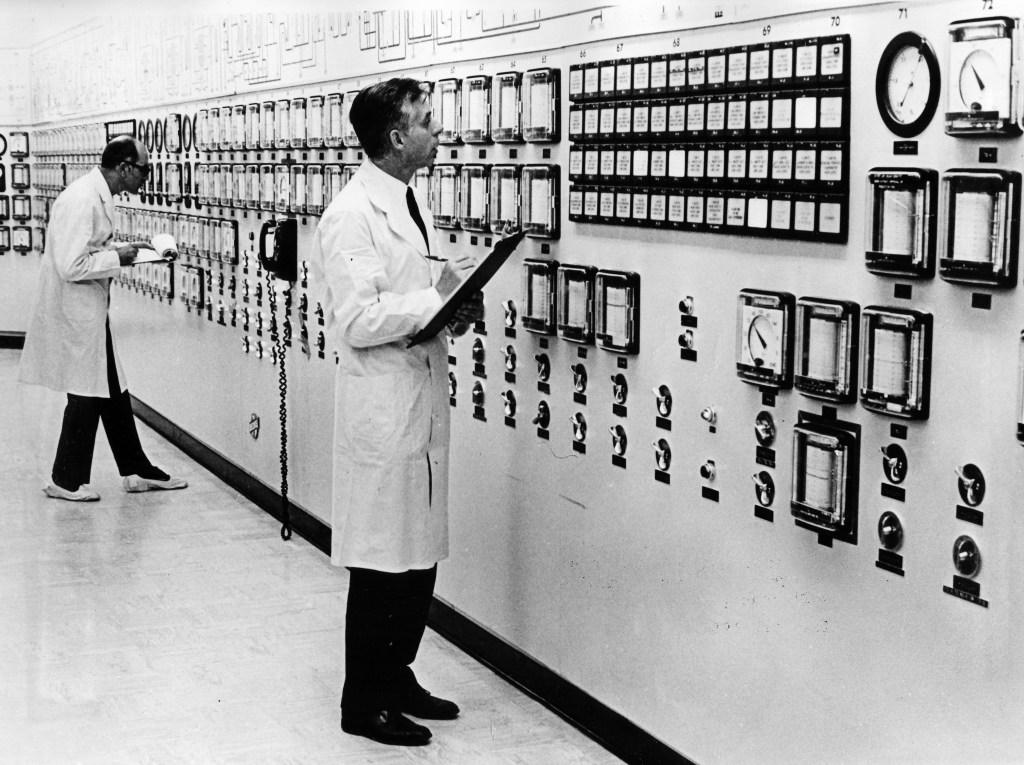
Archive context: West Valley, New York, August 1967. The featured image illustrates verification work; it is not evidence of current Iranian access or inventory. Photo: US AEC / IAEA Imagebank. Licence · Source.
A political agreement can stop a war before verifying a nuclear programme. That is the gap now sitting inside the United States–Iran framework.
The public text promises a route: the two sides will negotiate a final deal within 60 days, address Iran’s stockpiled enriched material, and use on-site down-blending under International Atomic Energy Agency supervision as the minimum method. The promise may lower pressure and create room for technical work.
But it is not yet proof that the nuclear problem has been measured, controlled or solved.
The view: The serious test is a chain of observable steps: access to the relevant sites, current declarations, a material inventory that can be reconciled, and repeatable IAEA reporting. Until that chain is visible, the framework is a political bridge to verification, not verification itself.
The framework sets a route, not a result
The nuclear paragraph matters because it is incomplete. The published text says Iran will not procure or develop nuclear weapons. It says the two sides will resolve the disposition of stockpiled enriched material through a mechanism to be agreed, with on-site down-blending under IAEA supervision as the minimum methodology. It also leaves enrichment and other nuclear questions for a satisfactory framework in the final deal. [S6] [S7]
A political commitment can create a route while leaving the mechanics unresolved.
The sequence is visible: the United States and Iran commit to a final deal within 60 days, extendable by mutual consent, while an executive mechanism is meant to monitor implementation. [S6]
For readers, the practical distinction is straightforward. A promise tells us what the parties want the process to do. A result tells us what an independent observer can check: a named place, a declared quantity, a recorded measurement and a follow-up record. The framework has the first kind of language. The second still has to be produced.
ASSESSMENT: The framework’s strength is that it points toward a testable process. Its weakness is that decisive details remain outside the text: which material comes first, where the inventory is, how access works at damaged sites, what measurement rules apply, and what happens after an alleged breach.
The useful question is: When can an independent observer say the deal has begun to produce knowledge?
The baseline is not a clean slate
The IAEA’s June safeguards report gives the technical starting point. The Agency said its verification activities had been interrupted by military attacks and that access to previously declared high- and low-enriched uranium had been missing for nearly a year. It also said Iran had accumulated 440.9 kilograms of uranium enriched up to 60 percent by the time of the June 2025 attacks. That figure is historical, not a current inventory. [S1]
A historical figure shows the scale of the earlier problem. It cannot tell a reader where the material is now, how much remains or whether the inventory can be reconciled.
The IAEA Board’s June resolution made the institutional consequence explicit. The Agency was not able to verify that there had been no diversion of safeguarded nuclear material to nuclear weapons or other nuclear explosive devices. The Board called for complete information on nuclear inventories and facility design, plus all access required to verify that information. [S2]
The public IAEA record establishes a verification gap. It does not establish that Iran diverted material to a weapon, and it does not establish that the material disappeared.
Iran disputes the Agency’s framing. In its June communication, the Iranian mission said the attacks and continuing threats had made normal safeguards implementation legally untenable and materially impracticable. It argued that wartime conditions had affected the Agency’s ability to work and that continuity of knowledge could be restored once the circumstances changed. [S3]
Iran’s position: Iran presents the access problem as a consequence of attacks and security conditions, not as evidence of a prohibited nuclear decision. That matters to the dispute, but it is not independent verification of the stockpile.
Proof has three tests
The first verification threshold comes down to three questions.
1. Can the inspectors get to the relevant places?
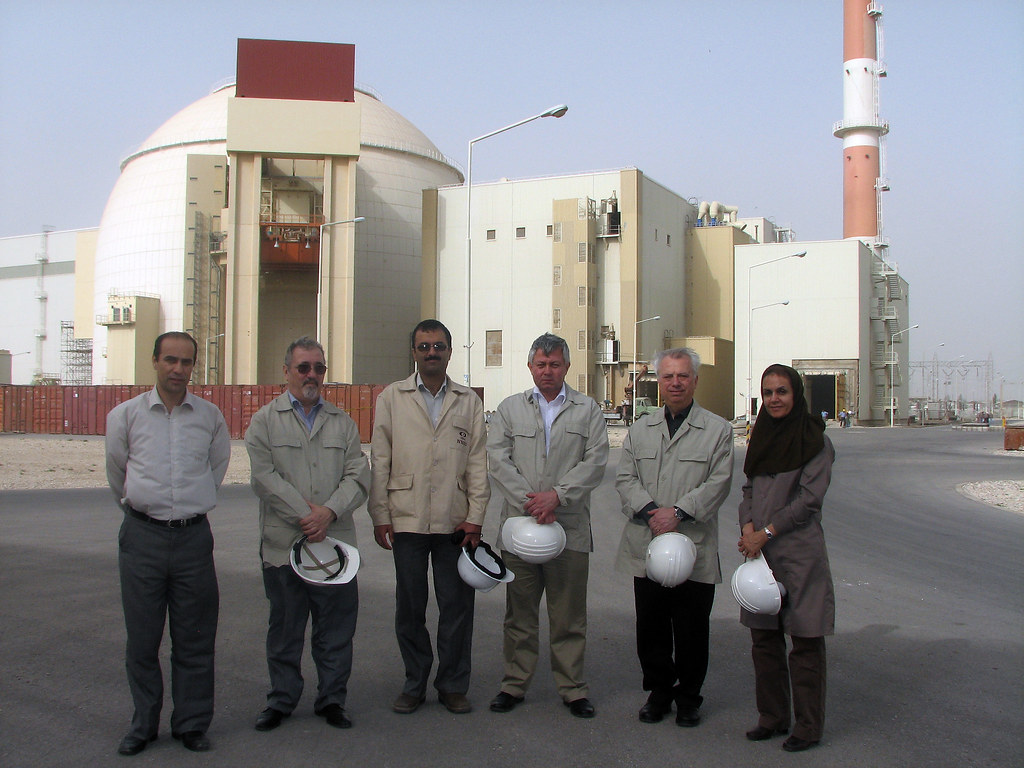
The test is not whether an official says inspections will happen; it is whether the IAEA documents access to the relevant places and material, including what remained out of reach. That record should name the site, the material and the limits of the visit. [S1] [S2]
2. Can the material be reconciled?
The second test is less dramatic but more important. Inspectors need current declarations, locations, quantities, chemical forms and enrichment levels. They need to compare those declarations with what they can observe and measure. The Board’s demand for inventory and design information is the public record’s clearest description of this requirement. [S2]
Down-blending may reduce immediate risk. But a verifiable process still needs a declared starting inventory, controlled measurements before and after, records of the resulting material and a chain an independent body can revisit.
The point is not to demand perfect certainty from the first visit. It is to make the remaining uncertainty measurable, so later reports can confirm, narrow or overturn the initial account.
3. Can the result be repeated?
One visit can answer one question; it cannot automatically restore a year of lost knowledge. Confidence comes when access, accounting and reporting continue across time, including when the political mood worsens.
The IAEA’s Director General said inspections would take place and that the Agency would work out dates, procedures and locations. The same reporting also carried an Iranian position that access to damaged nuclear facilities and material would be addressed only within a final agreement and after practical steps on sanctions. [S8]
The public record is still provisional here. Both sides can describe the same memorandum as an inspection commitment while disagreeing about the sites, timing and conditions that would make it real.
What the public record can and cannot say now
The available record supports a restrained conclusion.
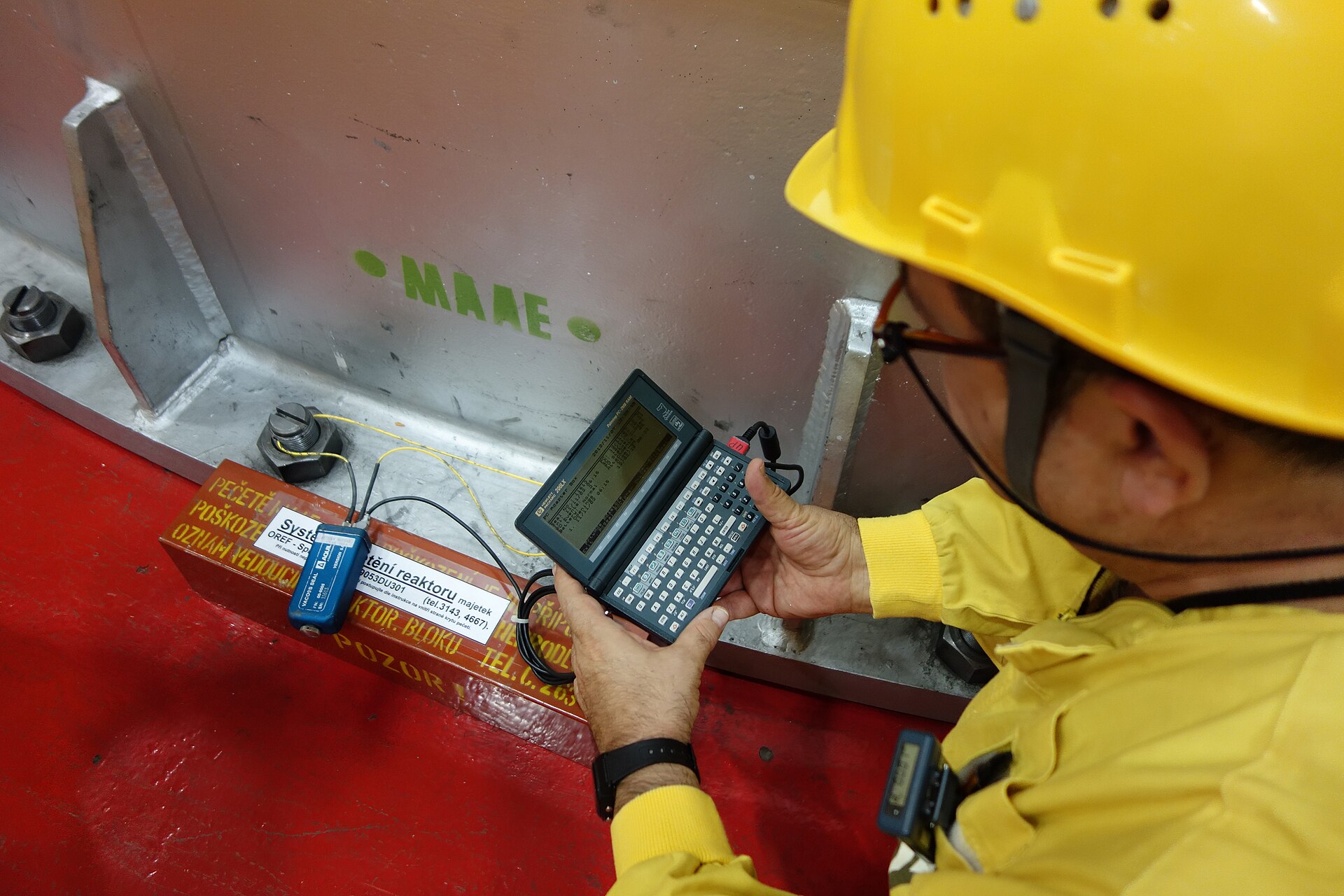
The record supports saying that the framework creates a route toward technical work and that the unresolved IAEA verification problem remains the central obstacle. Access, declarations, inventory reconciliation and repeatable reporting are the milestones that would change the judgment.
It does not support saying that a final settlement exists, down-blending is complete or current stockpile figures are known. Nor does it prove that military pressure caused the diplomatic opening; the sources show sequence and competing explanations.
The public source set does not establish a completed post-framework inventory verification, supervised down-blending or restored continuity of knowledge across Iran’s declared material.
The political process can move while the technical record remains incomplete. The missing fact is a current, independently verifiable account of what material exists, where it is and what has happened to it.
What changed in the last 24 hours?
Over the last 24 hours, no Iran-specific technical record has emerged documenting relevant access, a reconciled current inventory, supervised down-blending or repeated reporting.
Political claims about invitations and talks do not yet amount to a technical record naming sites, measurements or controlled handling. They do not change the assessment: the framework remains a route to proof, not proof itself.
Scenarios
Most likely
Medium confidence; days to weeks. The framework survives as a political holding structure while technical access remains partial or delayed. Both sides gain from avoiding an immediate return to full confrontation, but keep room to interpret the inspection language differently. Indicators are repeated promises without a completed inventory, or access that misses the core gap. Falsifier: an IAEA record documenting relevant access and a current, reconciled account.
Stabilisation
Low to medium confidence; weeks to two months. The parties agree procedures, the IAEA visits relevant facilities and the first material-handling step is recorded in enough detail to assess. The mechanism is reciprocal sequencing: technical access is matched with political or economic implementation steps. Indicators are named locations, dates, declarations, measurements and a follow-up reporting schedule. Falsifier: another promise with no access, inventory or control procedures.
Escalation
Medium confidence; days to weeks. Inspection language becomes a bargaining weapon: one side declares a breach, access is restricted and no shared inventory emerges. The mechanism is a failed sequence of undefined procedures, missing inventory and renewed pressure. Falsifier: sustained technical contact and a documented record accepted as the basis for the next step.
The judgment
ASSESSMENT: The Iran framework should be treated as a route to proof, not proof of a solved nuclear problem. Its value will be measured by whether it converts a political promise into a visible chain: access, declarations, material accounting and repeatable independent reporting.
That standard is demanding, but it is not exotic. It is the minimum needed to turn “we agreed” into “we can show what happened.” Until the chain is documented, the honest answer is neither “the deal solved it” nor “the material was diverted.” The honest answer is that the most important fact is still missing: a current, independently verifiable account.
Sources
This analysis separates institutional records, government positions, reported statements and assessment. Repeated reporting is not counted as independent confirmation. The public memorandum is treated as a route describing intended steps, not proof that those steps were implemented.
IAEA safeguards report, 4 June 2026, paras. 2, 9–18 and 43–47: IAEA safeguards report (PDF)
IAEA Board resolution, 10 June 2026, paras. (d)–(g) and 3–8: IAEA Board resolution (PDF)
Iranian mission communication, 8 June 2026, paras. 1, 4, 7–10 and 25: Iranian mission communication (PDF)
Published framework text, CNN, 17 June 2026: CNN framework text
Framework text and terms, BBC, June 2026: BBC framework report
Inspection-commitment report, BBC, June 2026: BBC inspection-commitment report
American Presidency Project draft record, 17 June 2026. The page marks the text as a draft: American Presidency Project draft record
 Measured Affairs
_(5103978099).jpg)
